
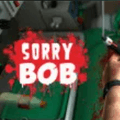
Sorry Bob
Featured Games
About Sorry Bob
Sorry Bob delivers a unique blend of dark humor and physics-based chaos within a surgery simulation environment. Players step into the role of Nigel Burke, an untrained and overly confident "surgeon" who must perform increasingly absurd operations on Bob. This patient's survival depends entirely on your questionable medical skills throughout the game. The premise is simple: replace failing organs and keep Bob alive. However, the execution could not be more challenging or unpredictable.
Sorry Bob sets itself apart from traditional medical simulators through its intentional embrace of chaos. Most surgery games try to reward precision and steady hands, but Sorry Bob actively punishes careful movements. This design philosophy creates hilarious moments where even the simplest procedures become comedic disasters. The physics-based mechanics ensure that tools slip, bounce, and behave unpredictably. Every operation transforms into a test of both skill and patience for players attempting to save Bob.
Gameplay Overview
Controlled Medical Chaos
Sorry Bob is played from a first-person perspective with one significant catch: you only control one floating hand. Each operation assigns a clear objective, such as replacing a damaged organ. Time ticks down constantly while blood steadily drains, raising the pressure with every passing second. Players must read the objective carefully, identify the correct replacement organ, break open the chest using heavy tools, remove damaged organs without causing excessive bleeding, and insert the correct replacement before blood loss reaches zero.
This is simple in theory but absolute chaos in practice. The game's physics engine creates realistic tool interactions that often work against you. Tools slip from your grasp, bounce off surfaces, and behave in ways that defy expectations. Tiny mistakes trigger heavy blood loss, and cluttered environments block visibility. Every operation becomes a challenge of coordination, timing, and luck for Sorry Bob players.
Key Features
Sorry Bob features unique finger-based controls where players coordinate individual fingers using A, W, E, R, and Spacebar instead of standard grab-and-use mechanics. This intentionally unnatural control scheme adds significant challenge to every procedure.
Physics-based chaos defines the Sorry Bob experience. Realistic physics cause tools to slip, bounce, and behave unpredictably. Every operation transforms into a test of patience and skill for players attempting to complete procedures successfully.
Time and blood pressure mechanics create urgency throughout Sorry Bob. Each operation has a time limit combined with a blood loss mechanic. Players must complete procedures before blood reaches zero, or Bob doesn't survive the operation.
Dark humor elements permeate the entire Sorry Bob experience. The game embraces absurdity and dark comedy, creating hilarious moments from medical disasters that would be tragic in any other context.
First-person perspective enhances immersion in Sorry Bob. Players experience operations from a first-person view with only one floating hand to control, adding challenge and engagement to every procedure.
Increasingly absurd operations test players throughout Sorry Bob. Each operation becomes more challenging and ridiculous than the last, continuously testing skills and patience as players progress.
3D ragdoll physics create realistic interactions in Sorry Bob. Advanced physics simulation produces authentic interactions between tools, organs, and the patient's body during every operation.
How to Play
Understanding Objectives
Sorry Bob gameplay revolves around completing surgical procedures while managing time and blood loss. Each operation begins with a clear objective displayed on screen. Players must identify what needs to be done, gather necessary tools, perform the procedure, and complete it before Bob's blood loss reaches zero.
Before starting any operation, try to read the objective carefully. The game specifies what organ needs replacement or what procedure requires completion. Players must identify the correct replacement organ before breaking open the chest to avoid confusion during the operation. This preparation is crucial since time pressure and blood loss mechanics don't allow for second-guessing once procedures begin.
Breaking the Chest
Sorry Bob requires players to use heavy tools for carefully breaking open the chest. The physics-based mechanics mean tools can slip and bounce unexpectedly. Players should use short, controlled bursts rather than forceful actions. Gentle movements prove more effective than aggressive ones, and patience is essential for avoiding excessive bleeding throughout this critical phase.
Removing Organs
Once players access the chest cavity in Sorry Bob, damaged organs must be removed without causing excessive bleeding. This requires careful coordination of finger-based controls and precise movements. Try to clear removed organs quickly to regain vision, as cluttered environments block visibility and make subsequent steps more difficult to complete successfully.
Inserting Replacements
Sorry Bob challenges players to insert the correct replacement organ before blood loss reaches zero. This is the most critical step since failure means Bob doesn't survive the operation. Players must use finger controls to carefully position and insert replacement organs while remaining mindful of physics that can cause tools and organs to slip or bounce unexpectedly.
Managing Blood Loss
Sorry Bob players must keep syringes nearby to slow bleeding during operations. Blood loss is constant throughout every procedure, and managing it is crucial for survival. Use syringes strategically to buy more time when situations become chaotic. Panic is your biggest enemy—avoid overcorrecting movements, as this often leads to more mistakes and faster blood loss during critical moments.
Unique Controls
Finger System
Sorry Bob's most iconic feature is its finger-based control system. This system replaces standard grab-and-use mechanics with individual finger coordination. The intentionally unnatural control scheme creates both challenge and hilarity throughout gameplay.
A Key - Pinky Finger: Controls the pinky finger, used for gripping and manipulating tools during Sorry Bob operations.
W Key - Ring Finger: Controls the ring finger, essential for maintaining grip on objects throughout procedures.
E Key - Middle Finger: Controls the middle finger, used for precise tool manipulation in Sorry Bob.
R Key - Index Finger: Controls the index finger, crucial for fine motor control and tool handling during operations.
Spacebar - Thumb: Controls the thumb, used for applying pressure and completing grips on tools and organs.
Hand Movement
Mouse Move: Position the hand by moving your mouse to place your floating hand in 3D space. This controls hand location relative to Bob's body during Sorry Bob operations.
Left Click: Lower hand to grab objects by clicking the left mouse button. Players must coordinate this with finger controls to successfully grip tools and organs.
Right Click (Hold): Rotate wrist by holding the right mouse button. This allows adjustment of hand and tool angles for better positioning during Sorry Bob procedures.
Sorry Bob requires players to coordinate individual fingers to grip objects, manipulate tools, and perform procedures. The system feels unnatural by design—this control scheme creates the chaotic, hilarious gameplay that makes Sorry Bob unique among surgery simulators.
Survival Strategies
Mastering Chaos
Success in Sorry Bob requires mastering the art of controlled chaos. The game actively works against precision, so players need strategies that work with physics-based mechanics rather than against them.
Preparation Tips
Sorry Bob players should read objectives and identify correct replacement organs before breaking open the chest. This preparation prevents confusion during operations and saves valuable time. Know what you're looking for before starting to cut, as time pressure and blood loss don't allow for hesitation during critical moments.
Tool Management
Sorry Bob requires short, controlled bursts when handling tools rather than forceful actions. The physics engine causes tools to slip and bounce, so gentle movements prove more effective. Keep syringes nearby at all times to slow bleeding when situations become chaotic. Having tools organized and within reach could make the difference between success and failure.
Visibility Control
Sorry Bob players must clear removed organs quickly to regain vision during operations. Cluttered environments block visibility, making it impossible to see procedures clearly. Remove organs immediately after extraction to maintain clear sight throughout every operation. This simple habit prevents many mistakes and reduces blood loss significantly.
Panic Prevention
Sorry Bob punishes overcorrected movements harshly. Panic leads to mistakes, which lead to more panic, creating cycles of failure during operations. Make deliberate, controlled movements rather than frantic adjustments. If something goes wrong, take a moment to assess situations before reacting. Remember that panic is your biggest enemy throughout Sorry Bob gameplay.
Blood Management
Sorry Bob players must keep syringes nearby and use them strategically throughout operations. Blood loss is constant, but syringes can slow it down, buying more time to complete procedures. Don't wait until blood loss becomes critical—use syringes proactively to maintain buffers that allow for mistakes and corrections during chaotic moments.
Finger Practice
Mastering Sorry Bob's finger-based controls takes practice and patience. Start with simple operations to get comfortable coordinating individual fingers. Once basic controls feel manageable, players can tackle more complex procedures. The unnatural control scheme becomes more manageable with experience, but it will always feel challenging—that's part of Sorry Bob's charm.
Pro Tips
Keep syringes nearby: Always have syringes ready before starting major procedures to slow bleeding and buy more time during Sorry Bob operations.
Clear organs immediately: Remove organs right after extraction to maintain clear visibility and prevent cluttered environments from blocking your view.
Avoid panic movements: Make deliberate, controlled movements rather than frantic adjustments—panic leads to mistakes and faster blood loss in Sorry Bob.
Read objectives first: Identify correct replacement organs before breaking open the chest to avoid confusion during operations.
Use gentle handling: Short, controlled bursts are more effective than forceful actions when handling tools due to Sorry Bob's physics-based mechanics.
Practice finger coordination: Master finger-based controls through practice—start with simple operations before tackling complex Sorry Bob procedures.
Manage visibility: Keep operating areas clear by removing organs immediately after extraction to maintain clear sight throughout procedures.
Strategic syringe use: Use syringes proactively to maintain blood loss buffers that allow for mistakes and corrections, not just during critical moments.
FAQs
What is Sorry Bob?
Sorry Bob is a 3D dark-humor physics-based surgery simulator where players take on the role of Nigel Burke, an untrained surgeon trying to keep Bob alive through absurd operations.
How do controls work?
Sorry Bob controls use individual fingers mapped to A (pinky), W (ring), E (middle), R (index), and Spacebar (thumb). Move your mouse to position your hand, left click to grab objects, and hold right click to rotate your wrist during operations.
Why is Sorry Bob difficult?
Sorry Bob intentionally uses an unnatural finger-based control system combined with physics that cause tools to slip and bounce. This creates chaotic gameplay that's part of both the challenge and humor.
What happens at zero blood?
If Bob's blood loss reaches zero before operation completion in Sorry Bob, the procedure fails and Bob doesn't survive the surgery.
How do I slow bleeding?
Sorry Bob allows players to use syringes for slowing bleeding. Keep them nearby and use them strategically to buy more time during operations.
Why is visibility limited?
Cluttered environments block visibility in Sorry Bob. Try to clear removed organs immediately after extraction to maintain clear sight throughout operations.
Do I need precision?
Precision is optional in Sorry Bob—the game embraces chaos and doesn't reward steady hands like traditional medical simulators. Controlled movements are more important than perfect precision throughout gameplay.
What makes Sorry Bob unique?
Sorry Bob uses unique finger-based controls, embraces chaos over precision, and features dark humor that transforms medical disasters into hilarious moments unlike other surgery games.
How do I master controls?
Practice coordinating individual fingers through simple Sorry Bob operations first. The controls feel unnatural by design, but they become more manageable with experience and patience.
What strategy works best?
Sorry Bob success requires reading objectives first, keeping syringes nearby, clearing organs immediately, avoiding panic movements, and using gentle tool handling. Patience and controlled movements prove more effective than precision and speed throughout every operation.